
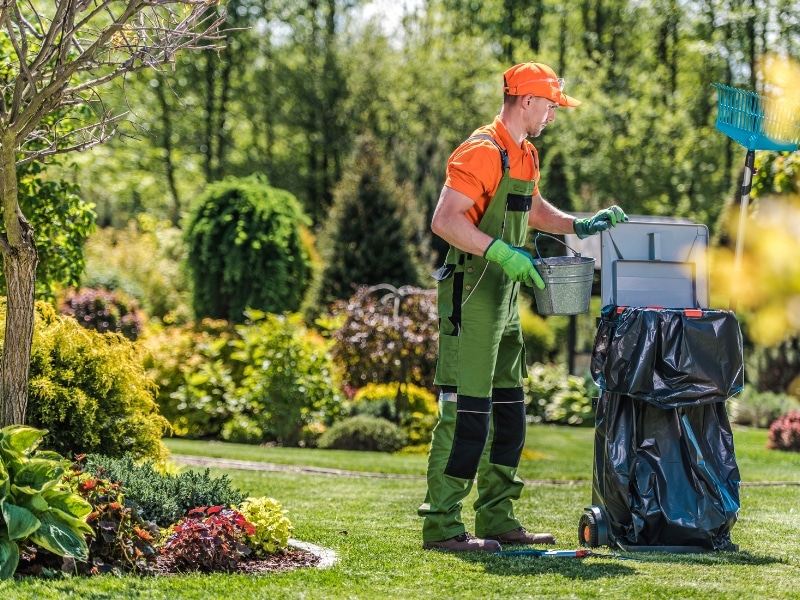
A beautifully designed garden is only as good as the care it receives after the last plant goes in the ground. This is a truth that many homeowners discover too late — after investing significantly in a landscape transformation, the garden is left to fend for itself and gradually loses the polished, intentional look that made it so appealing in the first place.
Garden maintenance is the discipline that bridges the gap between a garden that looks great on installation day and one that continues to look great five, ten, and twenty years later. Whether you have a compact courtyard, a large suburban block, or a working property with extensive grounds, a consistent maintenance programme is the single most effective investment you can make in protecting the value of your outdoor space. This guide covers the key pillars of effective year-round garden maintenance and how to build a routine that works for your property and lifestyle.
Why Consistent Garden Maintenance Matters More Than You Think
Gardens are living systems. Unlike a tiled bathroom or a painted wall, they change constantly — growing, dying back, competing with each other for light and resources, and responding (or failing to respond) to the seasons. Left without a management plan, even the most carefully designed garden will drift from its intended form within a couple of seasons.
Weeds are the most obvious example. In a maintained garden, weeds are addressed early before they set seed and multiply. In an unmaintained garden, a single season’s neglect can mean hundreds of weeds establishing root systems that are increasingly difficult to remove without disturbing surrounding plants.
The same principle applies to pruning, fertilising, pest management, and irrigation. Each of these tasks has an optimal timing window. Miss it, and you’re not just doing the job late — you’re often creating problems that require additional effort and expense to address. Maintaining a garden correctly from the outset is almost always cheaper and less labour-intensive than restoring a neglected one.
The Four Pillars of Effective Garden Maintenance
Effective garden maintenance breaks down into four core disciplines: pruning and plant management, lawn care, soil health, and pest and disease management. Understanding each one — and how they interact — is the foundation of a healthy, resilient garden.
Pruning and plant management involves far more than cutting things back when they get too big. Strategic pruning shapes plants to maintain their intended form, encourages denser growth and flowering, improves airflow (which reduces disease pressure), and prevents plants from overwhelming neighbours. Timing matters enormously: pruning at the wrong time can remove the season’s flowers before they bloom, or leave plants vulnerable to frost damage.
Lawn care is its own discipline. Regular mowing at the correct height for the grass variety, seasonal fertilisation, aeration to prevent compaction, and prompt treatment of bare patches and lawn diseases all contribute to a lawn that stays dense, green, and weed-resistant. A thin, poorly maintained lawn is one of the most common ways a garden loses its appeal quickly.
Soil health is the least visible but arguably most important pillar. Depleted soil produces weak plants that are susceptible to pests and disease. Regular addition of organic matter, appropriate pH management, and mulching to retain moisture and moderate soil temperature form the foundation of a productive garden.
Pest and disease management requires vigilance and early intervention. The difference between a minor aphid infestation and a severe one is often just a week of observation. Professional garden maintenance programmes include monitoring for common pests and diseases and treating them at the earliest possible stage — before significant damage occurs.
Seasonal Garden Maintenance: What to Do and When
One of the most common garden maintenance mistakes is treating it as a single annual event — typically a pre-summer tidy-up — rather than a year-round programme with season-specific tasks. Each season brings its own priorities.
Autumn is arguably the most important season for garden preparation. It’s the time for planting cool-season bulbs and annuals, applying a thick layer of mulch before winter rains, dividing and transplanting established perennials, and cutting back summer-flowering plants that have finished their display. Autumn is also the best time to address lawn issues — overseeding thin patches, aerating compacted areas, and applying a slow-release fertiliser that will sustain the lawn through winter.
Winter is largely a period of maintenance and observation. For gardens in cooler climates, winter is the ideal time for structural pruning of deciduous trees and shrubs while they’re dormant. It’s also the time to address drainage issues that become obvious when rain arrives, and to plan for the coming spring season.
Spring brings a surge of growth that needs managing. Weeds explode into life alongside desirable plants, so early intervention with mulching and hand-weeding before weeds set seed is critical. Spring is the prime season for fertilising, dividing perennials, and planting warm-season specimens after the last frost risk has passed.
Summer requires vigilance around watering, particularly during heat events. Deep, infrequent watering encourages deep root systems and drought tolerance. Summer is also peak season for pest pressure — regular monitoring and prompt treatment keeps problems manageable.
Consistent professional garden maintenance that aligns with these seasonal rhythms is the most efficient way to keep a garden looking its best without allowing problems to compound.
Professional Garden Maintenance vs DIY: When to Call in the Experts
For many homeowners, garden maintenance is a genuine source of enjoyment — a weekend activity that provides both physical exercise and the satisfaction of visible results. There’s nothing wrong with managing straightforward maintenance tasks yourself, and for smaller gardens, a DIY approach is entirely practical.
However, there are situations where professional garden maintenance delivers results that are difficult to match independently. Complex pruning — particularly for large trees, formal hedges, or specimen plants with specific growth requirements — benefits enormously from someone with horticultural training. Getting the pruning timing or technique wrong on a mature hedge can mean years of waiting for it to recover its form.
Lawn renovation is another area where professional involvement typically delivers a markedly better result. Correctly diagnosing lawn problems — whether the issue is disease, compaction, incorrect mowing height, pH imbalance, or irrigation failure — requires diagnostic experience that most homeowners don’t have. Treating the wrong problem with the wrong product wastes time and money.
Professional garden maintenance also makes sense for larger properties where the sheer volume of work exceeds what can be managed consistently alongside a normal working week. A garden that gets sporadic bursts of attention followed by weeks of neglect will never look as good as one with a regular, systematic maintenance programme.
For those who want their outdoor space to remain in genuine show condition year-round, partnering with experienced garden maintenance specialists who understand plant biology, seasonal timing, and the specific requirements of the garden’s design is the most reliable path to consistently excellent results.
Conclusion
The effort invested in garden maintenance pays dividends far beyond aesthetics. A well-maintained garden supports biodiversity, provides habitat for beneficial insects, moderates the microclimate around the home, and gives households a functional outdoor space that enhances daily life.
Building a garden maintenance routine — whether self-managed, professionally managed, or a combination of both — doesn’t need to be complicated. What it does need is consistency. A little done regularly is invariably more effective than a lot done occasionally.
The gardens that continue to look stunning decade after decade share one thing in common: they’ve been cared for throughout the year, not just when someone gets around to it. Start building that routine now, and the results will compound beautifully over time.

