
Introduction: A World in Motion
Few inventions have shaped modern society as profoundly as the automobile. From its humble origins as a mechanical curiosity to its role today as a cornerstone of global economies and lifestyles, the automobile represents far more than transportation. It encapsulates freedom, status, technology, and aspiration. As we step further into the 21st century, the auto industry finds itself at the confluence of rapid technological change, environmental urgency, and shifting cultural values. The road ahead is filled with challenges and opportunities, but one thing remains clear: the automobile is in the midst of a historic reinvention.
The Origins of an Industry: From Horsepower to Horsepower
The history of the automobile dates back to the late 1800s, when inventors such as Karl Benz and Gottlieb Daimler introduced motor-powered vehicles that ran on internal combustion engines. These early machines were crude by today’s standards, but they laid the groundwork for an industrial revolution on wheels.
Major Milestones in Automotive Development:
-
1886: Karl Benz patents the first practical automobile.
-
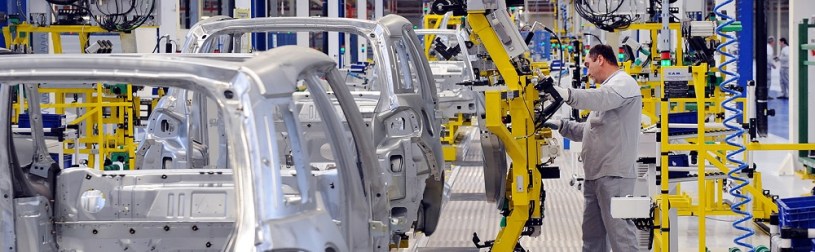
1913: Henry Ford revolutionizes manufacturing with the moving assembly line, making cars affordable to the masses.
-
1950s–70s: Post-war prosperity fuels car ownership, leading to suburban sprawl and a love affair with the open road.
-
1990s–2000s: Globalization and fuel efficiency gain prominence as the market diversifies.
-
2010s–present: Electric vehicles and smart technologies emerge as the new frontier.
The past century has been a journey of both innovation and adaptation, and it is this spirit that continues to drive the auto industry forward today.
The Modern Automobile: Where Engineering Meets Experience
Today’s vehicles are far removed from their utilitarian ancestors. They are refined, efficient, and intelligent. Automotive design is now as much about emotion and identity as it is about mechanics. A car’s appearance, handling, and technology are meticulously engineered to enhance the driver’s experience.
Key Features of Today’s Autos:
-
Aerodynamic Elegance: Designs focus on reducing drag, increasing fuel economy, and exuding sleek sophistication.
-
Intelligent Interfaces: Touchscreens, voice control, and customizable driver settings provide a seamless digital experience.
-
Driver-Assistance Systems: Adaptive cruise control, blind-spot monitoring, and lane-keeping assist offer enhanced safety and convenience.
-
Interior Comfort: Ergonomic seating, climate-controlled zones, and acoustic insulation create luxurious environments.
In essence, modern cars are immersive environments as much as they are transportation devices—engineered to delight and protect.
Electric Vehicles: Powering a Cleaner Future
Perhaps the most defining trend of the current automotive era is the shift toward electrification. Once seen as niche products, electric vehicles (EVs) are now rapidly entering the mainstream. Consumers are embracing them not only for environmental reasons but also for performance and innovation.
Why EVs Are Reshaping the Auto Industry:
-
Sustainability: EVs produce zero tailpipe emissions, aligning with global climate goals.
-
Efficiency: Electric motors convert energy more effectively than internal combustion engines.
-
Lower Maintenance: With fewer moving parts, EVs often require less upkeep.
-
Innovation Appeal: Many EVs come equipped with cutting-edge tech and futuristic design.
Major players like Tesla, BMW, Ford, and Hyundai are investing heavily in EV technology, while governments worldwide offer incentives and infrastructure development to support this transition. The future of automotive power is undeniably electric.
Autonomous Driving: Toward a New Era of Mobility
Imagine a world where cars drive themselves while you work, read, or relax. This vision, once confined to the realm of science fiction, is steadily becoming reality thanks to advancements in artificial intelligence and sensor technologies.
Levels of Vehicle Autonomy:
-
Level 1: Basic assistance (e.g., adaptive cruise control)
-
Level 2: Partial automation (e.g., lane centering and steering support)
-
Level 3–4: Conditional to high automation (car can drive itself under certain conditions)
-
Level 5: Full autonomy (no human input required)
Companies such as Waymo, Nvidia, and traditional automakers are investing billions in perfecting this technology. Though full adoption may take years, autonomous driving has the potential to drastically reduce accidents, improve traffic flow, and redefine urban planning.
Smart Cars in a Connected World
Connectivity is another frontier transforming automobiles from isolated machines into integrated digital platforms. Today’s cars communicate with drivers, infrastructure, and even other vehicles, creating a more informed and adaptive driving experience.
Benefits of Vehicle Connectivity:
-
Navigation Intelligence: Real-time traffic updates and dynamic rerouting.
-
Vehicle Health Monitoring: Remote diagnostics and predictive maintenance.
-
Infotainment Access: Streaming media, integrated apps, and cloud-based voice assistants.
-
Safety Enhancements: Vehicle-to-vehicle (V2V) communication for collision prevention.
With 5G on the horizon and software updates becoming as vital as oil changes once were, the line between car and computer continues to blur.
Sustainability Beyond the Powertrain
Sustainability in the auto industry extends beyond tailpipe emissions. From the materials used in manufacturing to the lifecycle of a vehicle, companies are taking a holistic view of environmental impact.
Sustainable Practices in Auto Manufacturing:
-
Recycled and Bio-Based Materials: Used in interiors, fabrics, and panels.
-
Carbon-Neutral Production: Factories powered by renewable energy sources.
-
Battery Recycling Programs: Recovering valuable materials from spent EV batteries.
-
Water Efficiency: Reducing water consumption in production processes.
Brands like Volvo, Audi, and Toyota are leading the charge with pledges to go fully carbon neutral in the coming decades. In doing so, they reflect a broader industry acknowledgment that luxury and responsibility can go hand in hand.
Redefining Ownership: The Rise of Shared and Flexible Models
The idea of owning a personal vehicle is gradually evolving. Urbanization, digital platforms, and environmental awareness are driving new approaches to vehicle access and mobility.
Alternative Ownership Trends:
-
Car Subscriptions: Monthly plans offering flexible access to multiple models.
-
Ride-Sharing Services: On-demand transportation via apps like Uber and Lyft.
-
Peer-to-Peer Car Sharing: Private individuals renting out their vehicles.
-
Micro-Mobility Integration: Electric scooters and bikes for first- and last-mile solutions.
These trends suggest that in the future, access may trump ownership. Mobility will be defined by convenience and flexibility rather than keys and garages.
Conclusion: The Open Road Awaits
The automobile is in the midst of a renaissance—reinvented by technology, steered by sustainability, and inspired by changing lifestyles. What was once a simple machine has evolved into a sophisticated ecosystem of innovation and experience. As we look ahead, the auto industry is poised not only to adapt but to lead the transformation of how the world moves.
In this brave new era, cars are no longer just about horsepower or design—they are about intelligence, connectivity, and conscience. The journey of the automobile mirrors humanity’s own progression: complex, adaptive, and always moving forward. The road ahead is bright, and it’s electric, autonomous, and interconnected.

