
Introduction: The Machine That Moved the World
The automobile, often affectionately referred to as the “auto,” is far more than just a mode of transportation. It is a cultural icon, a symbol of freedom, and an ever-evolving technological marvel. From the rattle of the first internal combustion engines to the near-silent hum of electric vehicles, the automobile has been at the heart of human progress for well over a century. As we stand at the crossroads of environmental responsibility, digital integration, and innovative engineering, it’s clear that the auto is undergoing a transformation as significant as the one that first placed it on our roads.
The Birth and Rise of the Automobile
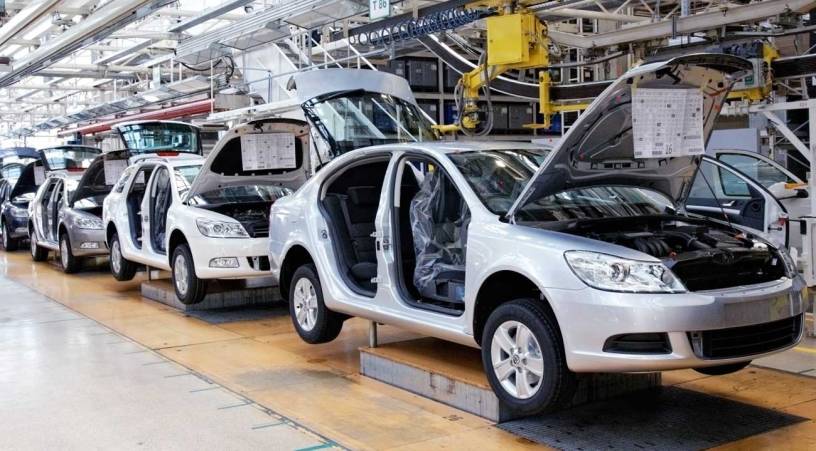
The automobile’s roots stretch back to the late 19th century, when engineers like Karl Benz and Henry Ford laid the groundwork for what would become a global phenomenon. Benz’s 1886 Motorwagen is widely regarded as the first true automobile, but it was Ford’s introduction of the assembly line in 1913 that truly revolutionized production.
Key Milestones:
-
1886 – Karl Benz patents the first gas-powered car.
-
1908 – The Ford Model T becomes the first mass-produced vehicle.
-
1950s–60s – The golden age of automotive design, characterized by style and flair.
-
1997 – Toyota introduces the Prius, the first mass-produced hybrid.
-
2010s–Present – Rise of electric and autonomous vehicles.
Each of these moments not only redefined the industry but also reshaped how society interacts with mobility itself.
Modern Engineering: The Symbiosis of Form and Function
Today’s automobiles are masterpieces of engineering. From aerodynamics and suspension systems to integrated software platforms and battery technologies, the modern auto is a fusion of mechanics and microchips.
Innovations Leading the Charge:
-
Lightweight Materials: Carbon fiber, aluminum, and advanced polymers have improved fuel efficiency without sacrificing strength.
-
Safety Systems: Features like adaptive cruise control, lane-keeping assist, and automatic emergency braking are reducing accidents and saving lives.
-
Connectivity: Cars now communicate with smartphones, other vehicles, and even city infrastructure, forming the bedrock of smart mobility.
The result? A vehicle that’s not just a tool, but an intelligent partner on the road.
The Green Shift: Sustainability and the Automobile
Environmental concerns have driven a monumental shift in how cars are designed and powered. Fossil fuels, once the lifeblood of the auto industry, are increasingly viewed as unsustainable. In their place, a host of greener alternatives is emerging.
Eco-Friendly Developments:
-
Electric Vehicles (EVs): Tesla may have led the charge, but now nearly every major manufacturer offers or is developing EVs.
-
Hydrogen Fuel Cells: While less common, these vehicles emit only water vapor and hold promise for commercial and long-range applications.
-
Hybrid Systems: Bridging the gap between traditional combustion engines and full EVs, hybrids remain a popular choice.
Governments are playing a significant role, too, offering incentives for electric vehicles and setting deadlines for the phase-out of internal combustion engines.
The Age of Autonomy: Self-Driving Cars
Once relegated to science fiction, autonomous vehicles (AVs) are now firmly in development, with companies like Waymo, Tesla, and Mercedes-Benz leading the charge. The promise of AVs is alluring: reduced traffic fatalities, improved efficiency, and increased mobility for the elderly and disabled.
Key Levels of Autonomy:
-
Level 1–2: Driver-assist features like lane-centering and adaptive cruise.
-
Level 3: Conditional automation, where the car can handle certain scenarios without driver input.
-
Level 4–5: Full automation, requiring no human intervention.
Challenges remain—chiefly around safety, legislation, and ethical decision-making—but the road to autonomy is clearly paved.
Cultural Impact: More Than Just a Machine
Beyond its mechanical and technological aspects, the automobile holds a unique place in human culture. It has inspired music, film, literature, and even political movements. Consider how the open road came to symbolize the American Dream, or how classic cars are lovingly preserved as family heirlooms and museum pieces.
The Auto in Pop Culture:
-
Movies: From James Bond’s Aston Martin to the Fast & Furious franchise, cars are cinematic icons.
-
Music: Generations have sung about freedom behind the wheel, from Bruce Springsteen’s “Racing in the Street” to Tracy Chapman’s “Fast Car”.
-
Fashion & Design: Car design trends have often mirrored societal aesthetics, from the sleek chrome of the ‘50s to the minimalist lines of today’s EVs.
To own a car is, in many ways, to tell a story—of aspiration, identity, and independence.
The Road Ahead: Challenges and Opportunities
Despite the remarkable progress, the future of the automobile is not without hurdles. Urban congestion, rising raw material costs, cybersecurity concerns, and questions about ethical AI in AVs all demand careful navigation.
Emerging Trends to Watch:
-
Mobility-as-a-Service (MaaS): The rise of ride-sharing, car subscriptions, and on-demand transport may signal a shift from ownership to access.
-
Smart Infrastructure: Cities are evolving with intelligent traffic systems and EV charging grids.
-
Globalization and Localization: While cars are globally produced, regional tastes and policies shape their design and marketing.
Automakers will need to balance innovation with responsibility, speed with safety, and profitability with sustainability.
Conclusion: A Journey Far from Over
The story of the automobile is a narrative of reinvention. From a noisy novelty to a quiet electric companion, it has evolved in step with our needs, aspirations, and imaginations. As we look toward a future marked by artificial intelligence, green energy, and shifting societal values, one thing remains clear: the auto is not just adapting—it’s leading.
In the coming decades, cars may no longer roar down highways but glide silently through interconnected urban landscapes. They may not need drivers, or even roads in the traditional sense. Yet no matter the form they take, automobiles will continue to move more than just people—they will move history forward.

