
Introduction: The Art and Alchemy of Eating
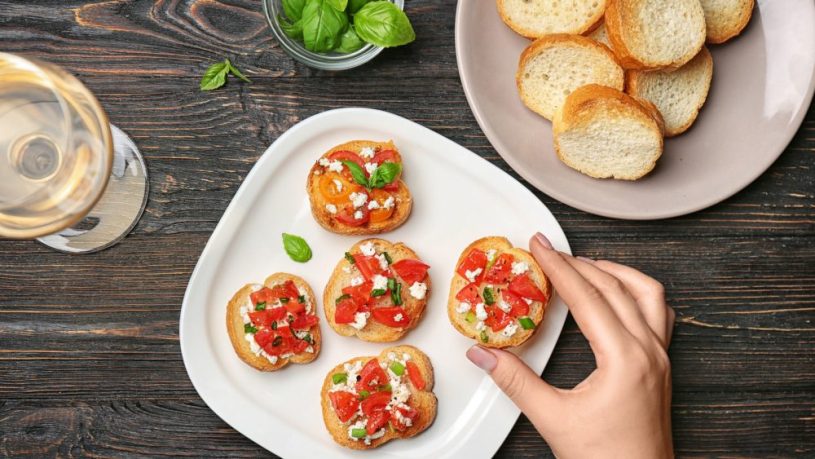
Food is one of life’s most immediate pleasures, yet its significance stretches far beyond taste. It is a silent language spoken at every table across the globe—a vehicle for history, emotion, culture, and innovation. From the humblest loaf of bread to the most intricate gourmet creation, food is both necessity and art form, a daily ritual with profound meaning. In exploring the true essence of food, we discover more than recipes—we uncover stories, identities, and values woven into every meal.
Food as Culture: A Global Tapestry of Flavors
Every region of the world boasts its own culinary fingerprint, shaped by geography, tradition, climate, and community. In many ways, the cuisine of a place is its most honest autobiography.
The Language of Ingredients
Regional ingredients often serve as cultural clues. Saffron-laced rice in Iran whispers of ancient trade routes; the tangy tamarind in South Indian curries tells a tale of tropical abundance; the buttery richness of French cuisine reflects a long-standing celebration of indulgence and finesse.
Food serves as a way of preserving identity, especially for communities in diaspora. Traditional dishes are passed from generation to generation like heirlooms, holding intact the memory of home.
Examples of cuisine as cultural heritage:
-
Italian cucina povera, or “peasant cooking,” emphasizes simplicity and resourcefulness.
-
Japanese kaiseki represents a seasonal, poetic approach to food presentation.
-
West African jollof rice stands as both a national treasure and regional rivalry.
Through food, we remember who we are, where we come from, and what we value.
The Emotional Table: Memory, Comfort, and Ritual
Food is intimately tied to emotion. It is the source of our earliest comfort, a centerpiece of celebration, and often, a balm in times of sorrow. These associations are deeply personal, rooted in memory and ritual.
A Taste of the Past
There is a reason the smell of baked bread or spiced stew can evoke such vivid recollections. Our brains encode sensory experiences—especially smell and taste—alongside memories, creating powerful emotional imprints.
-
The first dish a child learns to cook with a parent.
-
The meal served at a wedding, marking the union of two families.
-
A simple soup brought to a grieving neighbor.
These are not just meals; they are moments, emotions plated and served in quiet reverence.
The Evolving Plate: Innovation and Fusion in the Modern Kitchen
Culinary innovation today is as bold as it is boundless. Globalization has made once-foreign ingredients readily available, and chefs are crafting imaginative fusions that challenge traditional boundaries without discarding respect for origin.
Reinventing Tradition
Some of the most exciting movements in food stem from creative reinterpretation. It’s not about abandoning the past but breathing new life into it. This culinary dialogue between old and new is shaping the modern dining landscape.
Emerging trends in food evolution:
-
Plant-based fine dining that rivals meat-centered menus in complexity and satisfaction.
-
Deconstructed dishes that play with form and perception.
-
Cultural crossovers like Thai tacos or Indian ramen, daring but respectful.
This era of cuisine is one of storytelling through innovation. Ingredients become metaphors. Techniques become tributes. The plate becomes a canvas.
Food Ethics: The Growing Consciousness of What We Eat
In recent years, how we eat has become just as important as what we eat. With climate change, food scarcity, and global inequality at the forefront of global discourse, eating responsibly has become a moral consideration.
The Rise of Mindful Consumption
Modern diners are not only seeking flavor—they are seeking transparency and sustainability. There is growing awareness around:
-
Food waste and the impact of overproduction.
-
Animal welfare and the ethics of factory farming.
-
Local sourcing to support communities and reduce carbon footprints.
-
Fair trade practices that ensure equitable treatment of growers and producers.
Farm-to-table is no longer a trend—it is a philosophy. It represents a shift from convenience-driven consumption to conscious appreciation. Eating well now means eating wisely.
The Social Ingredient: Connection Around the Table
At its heart, food is an act of sharing. It fosters intimacy, sparks conversation, and builds community. Whether at a candlelit dinner or a casual picnic, meals are a universal invitation to connect.
The Table as a Gathering Place
In many cultures, eating alone is rare. Meals are meant to be shared, savored together with laughter, debate, and storytelling. Even the structure of meals reflects this ethos: tapas in Spain, mezze in the Middle East, and dim sum in China all revolve around communal participation.
Ways food strengthens social bonds:
-
Family dinners that serve as daily check-ins.
-
Holiday feasts that mark transitions and celebrations.
-
Community potlucks that bridge socioeconomic or cultural divides.
In an increasingly digital age, food remains one of the most tangible, meaningful ways to be present with others.
Conclusion: More Than Just a Meal
Food is not a luxury, yet it is luxurious in its power to shape our world. It is a craft, a comfort, a connection. It tells stories our mouths cannot speak and evokes feelings our minds barely remember. Through food, we explore identity, express creativity, and cultivate community.
To eat is to participate in a ritual as old as humanity itself. To cook is to create something ephemeral yet essential. And to share a meal is perhaps the simplest, most profound gesture of care we can offer.
In the end, food is never just food. It is experience. It is legacy. It is life.

