
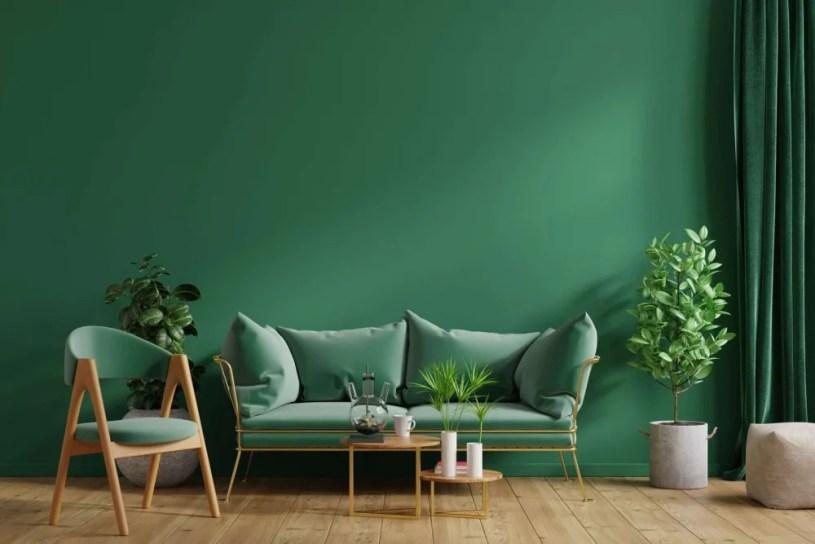
Introduction: Redefining What Home Truly Means
Ask ten people what “home” means to them, and you’re likely to get ten different answers. For some, it’s a physical space—an apartment tucked in a quiet street or a farmhouse surrounded by fields. For others, it’s the feeling of warmth when they hear a familiar voice or the comfort of a favorite chair in the corner of a sunlit room. Home, in its richest sense, is not confined to architecture or location—it is an emotional experience, a sanctuary of identity, and a canvas for our most intimate memories.
This article delves into the multifaceted nature of home, exploring how it shapes our emotional well-being, anchors our identity, and evolves with us over time.
The Architecture of Emotion
While houses are built with bricks and mortar, homes are built with moments. The difference between a house and a home lies in the subtle details—the echo of laughter in the hallway, the scent of a familiar meal, the quiet hum of a routine unfolding day after day.
Emotional Anchoring
Home provides emotional grounding. It’s where we return after a long day, seeking comfort and solace.
-
Security: A home offers a sense of safety, both physically and emotionally.
-
Belonging: It creates a space where we feel accepted for who we are, without pretense.
-
Continuity: Amid the changing tides of life, home is the constant—a place that remembers our stories even when we try to forget them.
These emotional ties are why leaving a home, even when necessary, can feel like severing a part of the self.
Home as an Extension of Self
The spaces we inhabit are often reflections of our inner lives. From the way we arrange our furniture to the colors we choose for our walls, we reveal fragments of our personality and aspirations.
Personalization and Identity
Consider how a child’s bedroom evolves—from toys and posters of favorite characters to minimalist furniture in early adulthood. Each transformation mirrors growth, changing interests, and evolving identity.
-
Aesthetic Choices: Artwork, textures, and design styles say more about us than we might realize.
-
Functional Layouts: The way we organize our home often aligns with our daily rhythms and priorities.
-
Memorabilia: Photographs, heirlooms, and souvenirs provide not just decoration but narrative—each item a chapter in the book of who we are.
Home becomes a mirror, quietly reflecting both who we have been and who we are becoming.
Cultural and Emotional Universality
Though the concept of home is deeply personal, it is also universally understood. Across cultures and continents, people yearn for a place to call their own—a base from which they can explore the world, and a retreat where they can rest and regroup.
Traditions and Rituals
Homes are often the stage for rituals and traditions that define cultural and familial identity.
-
Holiday Gatherings: Meals shared around a table connect generations.
-
Religious Practices: Home altars or prayer corners embody spiritual grounding.
-
Daily Routines: Even the mundane—morning coffee in the same chair, evening walks around the block—take on sacred significance.
In every culture, home serves as the heartbeat of daily life.
The Evolving Definition of Home
In a world shaped by mobility and technology, the idea of home is becoming more fluid. For digital nomads, home may be a laptop and a reliable internet connection. For refugees, it’s the hope of safety and stability. For the modern family, it might be two households stitched together by shared custody and mutual respect.
Shifting Paradigms
-
Remote Lifestyles: The rise of remote work has untethered people from the necessity of geographic permanence.
-
Minimalist Movements: Tiny homes and van life embrace the idea that home is more about freedom than footprint.
-
Digital Spaces: Virtual worlds and online communities are, for some, just as vital and real as physical ones.
Despite these changes, the emotional needs tied to home—comfort, stability, identity—remain unchanged. What has shifted is the form in which they are met.
The Art of Creating Home
If home is less about place and more about feeling, then it can be cultivated anywhere. Building a home is a deliberate act, one that involves more than furniture and décor—it demands care, attention, and emotional investment.
Elements That Make a Space Feel Like Home
-
Warm Lighting: Creates a welcoming, intimate atmosphere.
-
Personal Touches: Items with history—whether a family quilt or a gifted mug—make spaces resonate emotionally.
-
Scent and Sound: Familiar smells and sounds (think coffee brewing or a favorite playlist) trigger comfort and nostalgia.
-
Presence of Loved Ones: Ultimately, it’s the people—friends, family, pets—who transform spaces into sanctuaries.
A home doesn’t need to be grand. It needs to feel right.
Conclusion: Home as a Living Story
Home is not a fixed destination, but a journey. It travels with us, sometimes in physical form, sometimes in memory or emotion. It adapts to the stages of our lives—welcoming us in childhood, redefining itself in adulthood, and often, in later years, becoming the place where we once again seek simplicity and peace.
To build a home is to author a story—one written not in blueprints, but in moments, moods, and memories. And like all great stories, the beauty of home lies not just in how it begins, but in how it grows with us, holds us, and ultimately tells the world who we are.
So whether your home is a rented room, a house passed down through generations, or a new space waiting to be filled, may it always be more than shelter. May it be your sanctuary, your reflection, your ever-evolving poem.

