
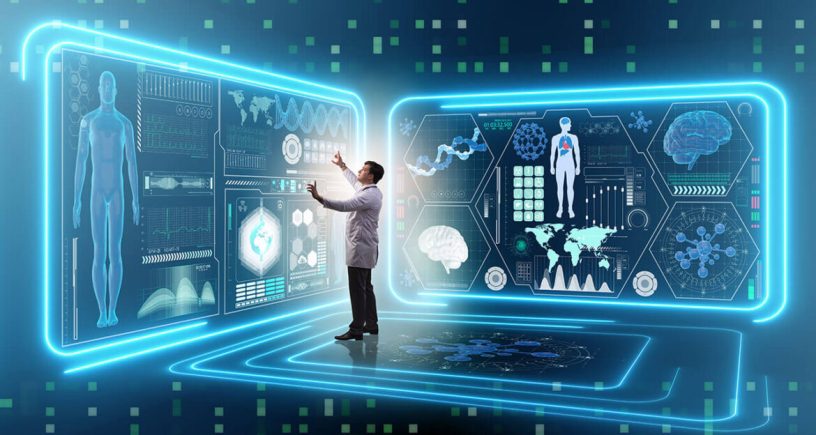
Introduction: More Than Just Machines
In today’s fast-paced landscape, technology is more than circuitry, code, or convenience—it is the silent architect of human progress. From the algorithms shaping our news feeds to the artificial intelligence powering breakthroughs in medicine, the influence of tech is everywhere, often subtle but undeniably profound. We are no longer in the Information Age alone—we have entered the Intelligence Age, where technology doesn’t just assist but increasingly thinks, adapts, and evolves alongside us.
The Evolution of Innovation
Technological progress has always been marked by transformative milestones—the printing press, the steam engine, the telephone, the internet. Yet the pace and scale of change today are unprecedented. The 21st century’s defining feature may well be the convergence of multiple powerful technologies rather than any single invention.
Key fields shaping this evolution include:
-
Artificial Intelligence (AI): Machines that learn from data are redefining industries. AI now diagnoses diseases, predicts weather patterns, curates entertainment, and even writes music.
-
Quantum Computing: Although still in its infancy, quantum technology promises to solve complex problems far beyond the reach of classical computers.
-
5G Connectivity: Faster and more stable internet means more devices, more data, and more seamless global interactions.
-
Biotechnology: Gene editing, personalized medicine, and synthetic biology are transforming the very fabric of life.
Each of these fields represents not just new tools, but new ways of thinking about what is possible.
Technology and Human Experience
What makes modern technology especially fascinating is how deeply it integrates into our daily lives. Devices are no longer mere accessories—they are extensions of ourselves. Smartphones, wearables, and smart assistants blur the lines between the digital and physical, the personal and technological.
Impacts on Communication:
-
Conversations once tethered to landlines now take place in virtual reality or across continents in milliseconds.
-
Collaboration tools like Zoom, Slack, and Microsoft Teams have redefined the workplace, enabling global connectivity with a tap.
Impacts on Lifestyle:
-
Smart homes adapt lighting, temperature, and even grocery orders to our preferences.
-
Fitness trackers monitor our heartbeats, sleep cycles, and daily steps, subtly encouraging healthier habits.
-
Streaming services, personalized by AI, tailor entertainment to individual tastes, creating unique viewing experiences.
These are not novelties; they represent a shift in how we relate to time, space, and even ourselves.
Challenges in the Digital Age
With advancement comes complexity. As we embrace smarter machines, we also inherit deeper ethical, environmental, and psychological questions.
Privacy and Surveillance:
-
The data we share—intentionally or not—powers the digital economy, often at the cost of our privacy.
-
Facial recognition, behavioral analytics, and location tracking challenge traditional concepts of anonymity and consent.
Mental Health and Overstimulation:
-
The constant stream of information and social comparison through digital platforms can overwhelm rather than enlighten.
-
Technology designed to connect us sometimes leaves us feeling isolated, distracted, or addicted.
Environmental Impact:
-
The energy demands of data centers, blockchain technologies, and global supply chains are significant contributors to carbon emissions.
-
E-waste is a growing concern, as rapid obsolescence encourages frequent disposal of electronic devices.
These challenges demand not only technical solutions but cultural and ethical reflection.
Technology as a Force for Good
Despite its pitfalls, technology remains one of humanity’s most powerful tools for positive change. Its potential to uplift, educate, and heal is unmatched in history.
Healthcare Revolution:
-
Telemedicine extends care to remote areas.
-
AI-driven diagnostics improve speed and accuracy.
-
Wearables alert users to health risks before they become emergencies.
Education and Access:
-
E-learning platforms democratize knowledge, allowing learners from Nairobi to New York to access world-class education.
-
Language translation apps break down cultural barriers and expand global collaboration.
Social Empowerment:
-
Social media has amplified marginalized voices and mobilized social justice movements.
-
Crowdfunding and decentralized finance enable grassroots innovation and entrepreneurship.
These are not hypothetical outcomes—they are already reshaping societies around the globe.
The Future: Collaboration Between Man and Machine
The real promise of technology lies not in replacing human effort but in amplifying human potential. The most transformative innovations are those that make us more creative, more empathetic, and more capable.
Emerging trends to watch:
-
Human-AI Collaboration: Instead of replacing jobs, AI will likely augment them. Doctors supported by machine learning, artists using generative design, and teachers enhanced by adaptive learning tools are just the beginning.
-
Sustainable Tech: Green technologies—from solar grids to smart agriculture—will be central in addressing climate change.
-
Digital Ethics: As awareness grows, we will likely see stronger emphasis on responsible innovation, ethical AI, and transparent data governance.
Conclusion: The Invisible Thread of Tomorrow
Technology is no longer a distant concept or a specialized field—it is the invisible thread woven through the tapestry of our lives. It shapes our conversations, decisions, comforts, and dreams. And while it brings unprecedented power, it also demands unprecedented responsibility.
We are, in many ways, writing the manual for the future in real time. The choices we make today—in design, regulation, and usage—will ripple through generations. If wielded wisely, technology will not only make life easier, but richer, more meaningful, and more profoundly human.

