
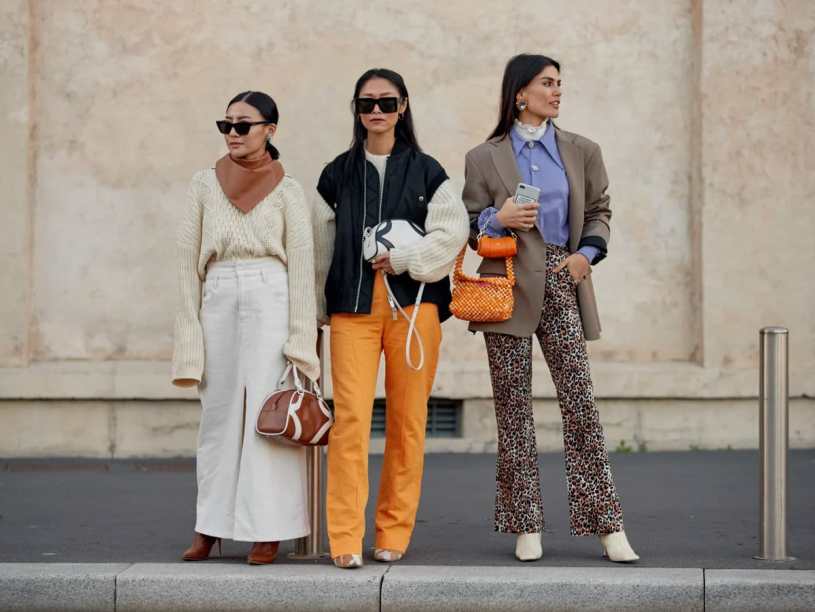
Introduction: Fashion as an Everlasting Dialogue
Fashion is more than an aesthetic expression; it is a living, breathing narrative that speaks of time, culture, emotion, and identity. It has the unique ability to encapsulate personal moods, collective ideals, and societal transitions all at once. Though often reduced to its commercial aspects or seasonal trends, true fashion operates on a deeper register—where creativity meets commentary and where fabrics become storytellers.
In every corner of the world, fashion carries meaning. It has the capacity to empower, provoke, comfort, or even rebel. Whether it manifests in the simplicity of a white shirt or the extravagance of a couture gown, fashion tells us who we are—or who we wish to become.
The Historical Threads: Fashion Through the Ages
The story of fashion is inseparable from the story of civilization. Each period in history has dressed its people in unique ways, informed by technology, climate, culture, and ideology.
Antiquity to the Middle Ages
-
In Ancient Egypt, garments were minimal yet symbolic, with linen robes adorned by gold and lapis lazuli, reflecting a deep reverence for the divine and the eternal.
-
Greek and Roman dress emphasized drapery, democracy, and discipline, with togas and chitons signifying both status and ideals.
-
During the Medieval era, attire was dictated by hierarchy, religion, and modesty. Royal courts favored elaborate embroidery, while peasants wore simpler woven woolens.
The Renaissance to the Industrial Revolution
-
The Renaissance ushered in opulence, with voluminous gowns, luxurious fabrics, and intricate tailoring. Clothing became a vehicle of humanist pride and personal grandeur.
-
The 18th century embodied elegance, powdered wigs, and pastel palettes—until revolution stripped fashion of its aristocratic excess.
-
By the 19th century, with the rise of industrialization, clothing became more accessible, but also more structured, leading into the corseted rigidity of the Victorian era.
The 20th Century and Beyond
Each decade of the 20th century brought seismic shifts in style:
-
The 1920s flapper challenged gender norms with liberated silhouettes and sparkling embellishments.
-
The 1950s returned to hourglass femininity, while the 1960s played with psychedelia, futurism, and youth rebellion.
-
The 1980s were bold, corporate, and powerful—shoulder pads and metallics reigned.
-
The 1990s and 2000s embraced minimalism, grunge, and then a playful, tech-inspired streetwear aesthetic.
Now in the 21st century, fashion is borderless, hybrid, and rapidly responsive. It’s a global language where heritage, experimentation, and innovation co-exist.
Fashion as Personal Identity
At its most intimate level, fashion reflects the individual. Each wardrobe is a curated map of one’s inner life—dreams, values, affiliations, even insecurities.
Self-Expression in Fabric
What we wear often reveals as much about our worldview as it does about our body shape. A tailored blazer might exude professionalism; a vintage tee might suggest creativity or nostalgia. Fashion allows individuals to:
-
Assert individuality in a conformist environment
-
Explore or challenge gender identity
-
Pay homage to cultural heritage
-
Project confidence, power, or whimsy
For some, it’s armor. For others, it’s art. But for everyone, it’s a medium of constant negotiation between the self and society.
Subcultures and Style Tribes
Fashion also builds community. From punk to prep, goth to glam, clothing creates visible in-groups that share values and aesthetic codes. These subcultures have often been incubators of innovation, rebellion, and style evolution.
Designers as Cultural Architects
Fashion designers do more than sketch garments; they sculpt the visual culture of generations. Their collections are not merely seasonal offerings—they are often emotional, political, and philosophical statements.
The Visionaries
-
Christian Dior’s New Look redefined post-war femininity with cinched waists and full skirts.
-
Rei Kawakubo of Comme des Garçons shattered ideas of beauty with asymmetry and avant-garde abstraction.
-
Virgil Abloh, through Off-White and Louis Vuitton, bridged the divide between streetwear and luxury, making fashion more inclusive and relevant.
-
Stella McCartney and others are pioneering sustainability, proving ethics and aesthetics need not be at odds.
These figures remind us that fashion is also a form of authorship—a means of narrating the world through color, texture, and silhouette.
The Commerce and Ethics of Fashion
While fashion fuels dreams, it also runs on dollars. The fashion industry, valued at trillions, supports millions of livelihoods—from factory workers to runway models. But this economic might also carries responsibility.
Fast Fashion and Its Reckoning
The explosion of fast fashion has democratized style, but at a significant cost:
-
Environmental degradation from textile waste and water pollution
-
Exploitative labor practices in unregulated factories
-
Overproduction driven by disposable consumer culture
Toward a Sustainable Future
Conscious fashion is on the rise, championing:
-
Slow fashion: emphasizing quality, longevity, and craftsmanship
-
Recycling and upcycling: giving old clothes new life
-
Ethical sourcing: ensuring fair wages and humane conditions
-
Tech integration: using AI and blockchain for supply chain transparency
Shoppers, particularly younger generations, are voting with their wallets. The future of fashion hinges not only on creativity, but on conscience.
The Digital Age: Fashion’s Virtual Renaissance
The digital world has not only altered how we consume fashion but how we experience and participate in it.
Social Media’s Power
Influencers, bloggers, and content creators now rival legacy fashion editors in setting trends. A viral outfit on TikTok can shape global demand overnight. Visual platforms like Instagram have turned everyday users into style curators, fostering a more interactive and democratic fashion dialogue.
The Metaverse and Virtual Fashion
With the emergence of digital fashion houses and virtual runways, style is evolving beyond the physical realm. Fashion brands now create clothing for avatars, NFTs, and augmented reality experiences, hinting at a future where one’s digital wardrobe could be as significant as the tangible one.
Conclusion: The Infinite Garment of Meaning
Fashion, in its essence, is timeless and timely. It is memory and forecast, ritual and rebellion. It enables both conformity and liberation, often within the same ensemble. As society grapples with questions of identity, climate, equity, and innovation, fashion stands as both witness and participant.
In this endlessly turning carousel of culture, fashion remains our second skin—shaped by the past, tailored to the present, and always sewing itself into the future. Whether through quiet elegance or bold experimentation, the clothes we wear continue to tell the most human of stories.

