
Introduction: More Than Just Clothes
Fashion is often misconstrued as a superficial pursuit, an industry concerned solely with appearances and trends. But beneath the surface lies a complex, expressive language—a dynamic dialogue between culture, identity, and imagination. Fashion is a mirror of the times, reflecting historical context, societal shifts, and personal narratives. It shapes how we see ourselves and how the world sees us.
In its most compelling form, fashion is not merely about wearing clothes; it’s about embodying an idea, capturing a moment, or articulating a silent story. From the draped silhouettes of ancient civilizations to the minimalist chic of modern metropolises, fashion has always been more than fabric—it is a form of art.
The Evolution of Fashion Through the Ages
Fashion is inextricably linked to time. Every era boasts a sartorial signature—distinct silhouettes, materials, and moods that capture the zeitgeist.
Ancient to Renaissance
-
Ancient Egypt: Linen robes and elaborate jewelry showcased class and divinity.
-
Ancient Greece and Rome: Draped garments symbolized democracy, intellect, and artistic beauty.
-
The Middle Ages: Heavy fabrics, embroidery, and religious symbolism dominated, reflecting feudal power structures and ecclesiastical influence.
-
The Renaissance: Extravagance took center stage with opulent fabrics, corsets, and fine tailoring, as fashion became a symbol of humanism and wealth.
Modern Era
-
18th to 19th Century: From Rococo flamboyance to Victorian modesty, this period displayed dramatic shifts in taste and gender expectations.
-
20th Century: Arguably the most revolutionary time in fashion, where everything from flapper dresses to punk leather jackets pushed against convention.
-
21st Century: Diversity, sustainability, and digital expression define today’s fashion, where individuality outshines uniformity.
Fashion as a Cultural Communicator
One of fashion’s most enduring strengths is its ability to convey culture and identity. What we wear often speaks before we do.
Identity and Self-Expression
Clothing is an outward manifestation of inner personality. A carefully chosen outfit can project confidence, rebellion, tradition, or even vulnerability. It communicates affiliations—be it religious, political, or subcultural—and asserts our place within or against the mainstream.
-
Streetwear champions urban youth and counterculture.
-
Traditional garments preserve heritage, such as the kimono in Japan or the saree in India.
-
Gender-neutral fashion challenges traditional binaries, promoting inclusivity and self-liberation.
Fashion as Political Statement
Style has historically been a tool of protest and resistance. From the suffragettes’ white attire to the Black Panthers’ berets and leather jackets, fashion has been a visual symbol of political solidarity. In recent decades, movements like Black Lives Matter and climate activism have used fashion both on the runway and in the streets to convey urgent messages.
The Role of Designers: Shaping Aesthetic Narratives
Behind every iconic look is a visionary mind. Designers do not merely make clothes; they craft worlds, blur boundaries, and redefine beauty.
Influential Figures in Fashion
-
Coco Chanel: Revolutionized women’s fashion by introducing simplicity and elegance during a time of excessive ornamentation.
-
Yves Saint Laurent: Blended masculine and feminine elements, giving birth to the tuxedo suit for women.
-
Alexander McQueen: Combined technical genius with haunting, provocative themes, elevating fashion to theatrical art.
-
Virgil Abloh: Redefined luxury with streetwear sensibility, opening doors for more diverse voices in high fashion.
Fashion Weeks: The Modern Stage
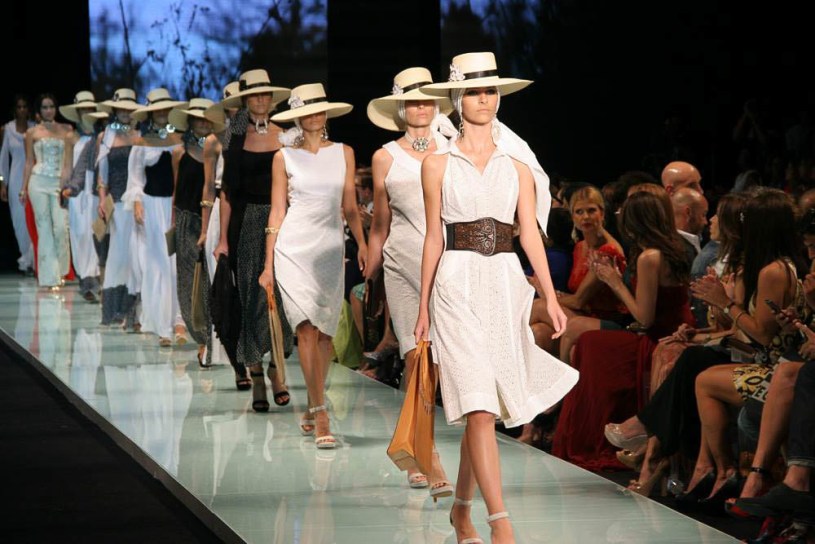
Held in global capitals such as Paris, Milan, London, and New York, Fashion Weeks are the pulse of the industry. They set the tone for seasons, influence retail worldwide, and create cultural touchpoints. Beyond glamour, these events are an ecosystem of creativity, commerce, and commentary.
The Business Behind Beauty
Though often romanticized, fashion is also an economic powerhouse. It sustains millions of jobs—from textile manufacturing to digital marketing—and drives trends that influence numerous adjacent industries.
Fast Fashion vs. Sustainable Fashion
The rise of fast fashion has made style accessible but at environmental and ethical costs. Brands like Zara and H&M have faced criticism for waste and labor practices.
In response, a growing movement toward slow fashion emphasizes:
-
Ethical production
-
Quality over quantity
-
Transparency in sourcing
-
Environmental sustainability
Consumers are now more conscious, demanding that fashion not only look good but do good.
Fashion in the Digital Age
Technology has transformed fashion from a tactile experience into a digital phenomenon.
Social Media and Influence
Platforms like Instagram, TikTok, and Pinterest have democratized fashion influence. No longer restricted to celebrities and designers, today’s tastemakers are everyday individuals with a camera and a voice.
-
Influencer culture shapes purchasing decisions and popularizes micro-trends.
-
Virtual try-ons and AI styling apps personalize the shopping experience.
-
NFT fashion and digital garments push boundaries of what clothing can be in virtual realms.
The Future: Virtual Couture?
As the Metaverse expands, so does the concept of digital fashion. Virtual avatars may soon wear pixelated haute couture, offering eco-conscious, identity-flexible alternatives to traditional garments. While still emerging, the implications are vast—where physical limitations no longer apply, creativity may know no bounds.
Conclusion: Fashion as an Eternal Expression
At its core, fashion is deeply human. It intersects art, history, psychology, and commerce in a way few other industries do. From the runways of Paris to the streets of Lagos, fashion is an evolving conversation—one where everyone participates, whether consciously or not.
It has the power to heal, provoke, inspire, and connect. In a world that is increasingly fragmented, fashion offers a common thread: a way to express who we are and what we stand for.
As long as humans seek identity, beauty, and meaning, fashion will remain not only relevant but vital.

